
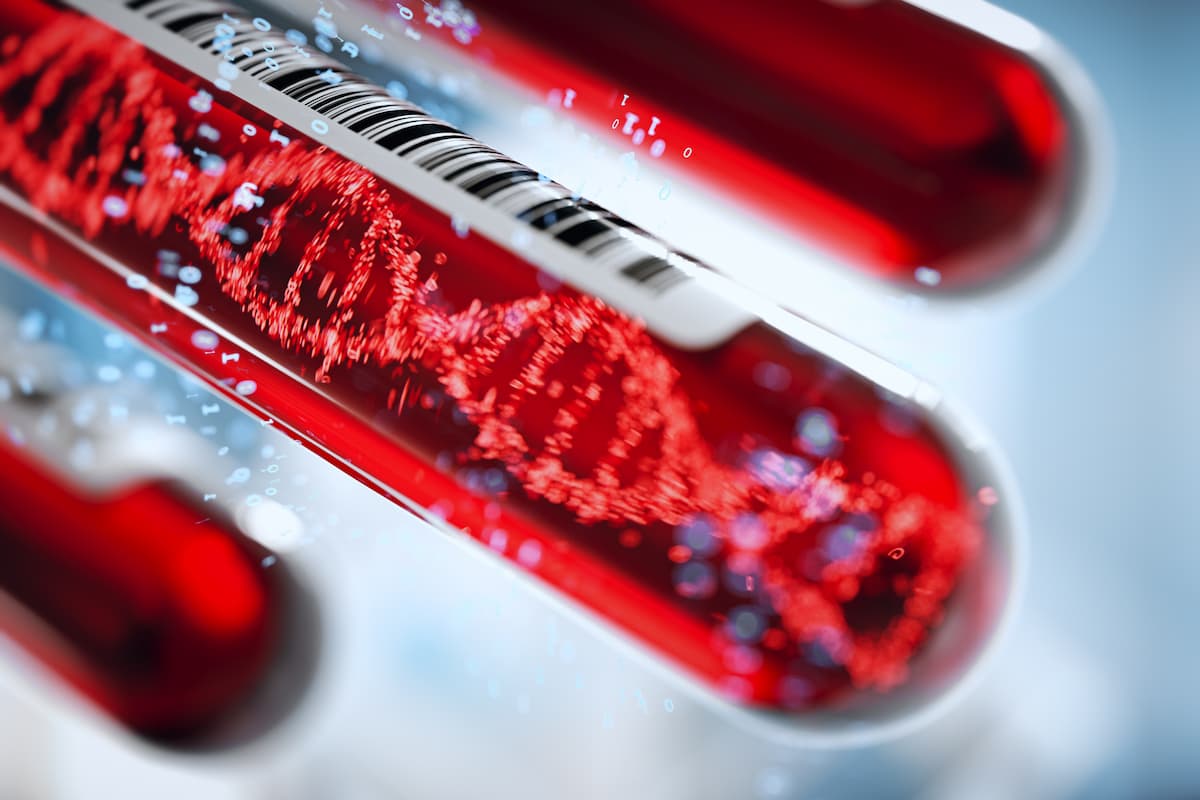






























His company has developed and is marketing a blood-based test for liver cancer that Tewarie says would outperform ultrasound scans for finding liver cancer early in people at risk for developing liver cancer.
His company has developed and is marketing a blood-based test for liver cancer that Tewarie says would outperform ultrasound scans for finding liver cancer early in people at risk for developing liver cancer.

In a small study of 43 women, those whose whose circulating DNA levles was undetectable, either before starting therapy or after beginning treatment, were more likely to experience stable disease or tumor shrinkage

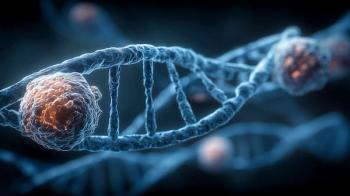
Findings published In JAMA Oncolog sound a note of caution about repurposing drugs for one type of cancer to another based on biomarkers alone.

NCQA and other groups are developing a HEDIS measure of follow-up after a positive screening test. Meanwhile, a Harris survey shows public support for colorectal screening that would involve just a blood test.
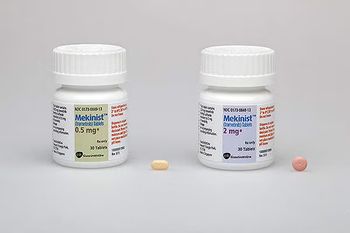
The researchers who conducted the study caution that the largest effect they identified was seen in tumors where progression may be inherently slow.

Tests for the DNA of the HPV virus might replace other ways of monitoring for recurrence in patients with cervical cancer.


FDA proposes MRD-negative and complete response endpoints to fast-track multiple myeloma drug approvals, pushing deeper molecular results over ORR.

In a conversation with Abby Kim, Pharm.D., of Prime Therapeutics, she shared that oncology pharmacists bridge critical gaps in precision medicine, enhancing patient care by streamlining biomarker testing and ensuring timely access to effective treatments.


Post-hoc analysis shows potential of biomarkers for identifying pancreatic patients who respond to treatment.
Pfizer’s sigvotatug vedotin combined with Keytruda is being studied in patients with non-small cell lung cancer. Researchers suggest sigvotatug vedotin’s ability to induce immunogenic cell death may enhance antitumor activity.
A Brazilian study shows a correlation between circulating tumor cell and overall survival in a trial assessing a treatment of gastric cancer.

The data further identify ctDNA as a dependable biomarker for assessing response to bispecific antibody treatment

An analysis of patients with stage III colon patients found celecoxib improves survival only in those who are positive for circulating tumor DNA.
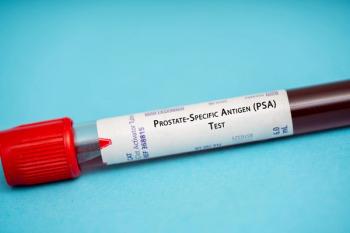
By identifying the isoforms of the prostate-specific antigen (PSA), the new test may distinguish between prostate cancer and other causes of elevated PSA levels.

High levels of integrin beta-6 (IB6) in metastatic non-small cell lung cancer suggest that it could be a target for treatment.

New research highlights DR-70 as a promising noninvasive biomarker for diagnosing and staging bladder cancer, potentially improving early detection strategies.

A study reveals circulating tumor cells (CTCs) as potential biomarkers for predicting aggressive DCIS, aiming to reduce overtreatment and improve patient outcomes.

Next-generation sequencing (NGS) holds great promise for identifying 'tumor-agnostic' therapies, but evidence does not support its routine use in clinical care and diagnosis of sarcoma, a consensus statement concludes.

Biomarkers are pivotal for confirming diagnoses, predicting disease progression, and tailoring therapeutic modalities. Recent research focuses on the ‘omics’ technologies —genomics, proteomics, metabolomics.