



|Videos|February 17, 2021
Challenges to Equal Access in MS Treatment
Advertisement
Episodes in this series

The Medicaid group exhibited higher rates of MS-related complications than did the commercial group, such as gait abnormalities (17.3% vs 10.4%); burning, numbness or tingling (21.9% vs 17.9%); dizziness/vertigo (14.6% vs 9.2%); and urinary incontinence (16.0% vs 5.8%; P < .001 for all). The Medicaid group also had a higher rate with nearly all comorbidities, such as hypertension (35.7% vs 30.2%), diabetes (16.6% vs 9.6%) and asthma (15.9% vs 6.0%; P < .001 for all). (19)
Advertisement
Related to this article

A study with three years of follow-up shows that the drug stays effective and safe for most, although 16% stopped getting treated with Dupixent, mainly because it was ineffective or caused side effects.

Heart disease became the leading cause of death among Hispanic adults in the U.S. in 2022, and a new American Heart Association statement says risk varies by heritage, with gaps in coverage, language and food access adding to the burden.

A five-session course of transcranial magnetic stimulation (TMS) improved processing speed in people with schizophrenia, a cognitive domain that is among the most severely affected in patients,

National Alliance names Jenny Goins interim CEO after former leader’s arrest; details emerge on charges, firing timeline, and impact on healthcare policy circles.

Only 19% use AI predictive models in cancer care despite strong belief in impact; 2026 Oncology Care Index highlights reimbursement, training, funding barriers.

Hispanic HIV incidence rose 16.8% in antisanctuary counties after the 2018 public charge announcement, relative to baseline counties, a new study found.
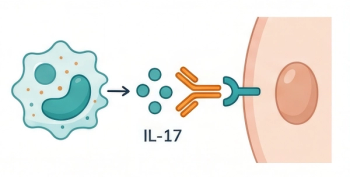
A review of randomized clinical trials, nonrandomized trials and case reports suggests that the inflammatory bowel disease risk from treatment with IL-17 inhibitors is low.

From a 95% remission rate in Japan to $81.6 billion in U.S. savings since 2015 — a data-driven look at where biosimilars stand today, and where the gaps remain.
Advertisement
Advertisement
Trending on Managed Healthcare Executive
1
National Alliance names interim head after arrest of its president
2
Biosimilars are reshaping pricing and drug development — the numbers behind it
3
Community oncologists are turning to AI, but not all of them use predictive models
4
The IBD risk among patients with hidrandentitis suppurtiva treated with IL-17 inhibitors: Low but not nothing
5