






















Keytruda gets a full approval in endometrial cancer; while Xeljanz will miss another PDUFDA date.
Keytruda gets a full approval in endometrial cancer; while Xeljanz will miss another PDUFDA date.

New vaccine for pneumococcal disease, an sNDA approved based on real-world data, a new therapy for skin and muscle disease, Keytruda combination receives full approval in endometrial cancer, a new diabetes therapy is approved, and another JAK inhibitor misses PDUFA date round out this week’s FDA news.
The June 30 approval meets an unmet need in this cancer.

The FDA had approved Kadmon's therapy for graft-versus-host disease July 16.
The therapy is approved for both adults and children.

Sixty percent of patients likely to move forward with a healthcare decision not recommended by their physician, according to a TrialJectory Survey.

When wondering what step to take first after learning of your cancer diagnosis, assembling the right care team and creating a treatment plan designed uniquely is important to get you on the right track. Comprehensive biomarker testing can then help identify your type of lung cancer and help move steps forward for proper care.

The FDA’s accelerated pathway gets drugs to market quickly, but it also can mean patients are put on therapies that do not actually provide a clinical benefit.

Some see the upward trend in cancer drug costs as accelerating — and unsustainable. Value-based pathways might rearrange the incentives to put some downward pressure on prices.
An advisory committee recommends against approving an anemia drug. Darzalex Faspro receives another indication, Bayer receives approval for Kerendia for chronic kidney disease, and FDA delays its decision on sNDAs for JAK inhibitor therapies for atopic dermatitis.
Merck has submitted the data from the study KEYNOTE-522 to the FDA for review.
After generic entry, Zytiga’s market share fell to about 14% and monthly net sales across the entire market fell 85%.
A permanent code is expected in the third quarter of 2021.

The new indication provides a subcutaneous option for multiple myeloma that can be administrated in minutes, rather than hours.
Keytruda loses one indication but gains another, Biogen narrows use of Aduhelm, Padcev gets regular approval and expanded indication, Amgen submits application for asthma biologic, agency issues complete response letter for diabetes prevention therapy teplizumab, Novartis resubmits NDA for inclisiran.

MHE Associate Editor, Briana Contreras, spoke with CEO of Inteliquet, a cancer solutions provider that strives to match patients to clinical trials accurately and promptly in healthcare, Marie Lamont. In this episode Marie discusses the challenges that have affected clinical trials and cancer screenings and how to get trials back on track through technology to avoid the wave of undiagnosed patients post-COVID. She also shared how broadening them through diversity can improve trials.
This approval comes days after Merck announced it would withdraw indication for third-line gastric cancer.
Merck will withdraw Keytruda's advanced gastric indication after an FDA panel vote, a drug with supply problems gets a new indication, NDAs for an HIV therapy, and other news.
The therapy, a recombinant version, was developed to address supply and manufacturing issues.
Results suggest potential for better use of precision medicine approaches.

But there is no benefit for patients receiving chemotherapy.

Kite plans to submit a supplemental BLA based on these findings.
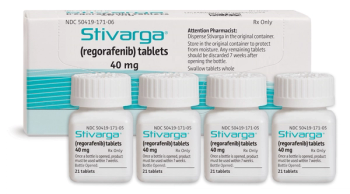
The anticancer therapy is now available in 21-count bottles to help accommodate dispensing.
A new indication, a nonprescription switch, a recall, and new guidances round out this week’s FDA news.
The therapy is a modified poliovirus vaccine that not only kills cancer cells but also can trigger long-term immune memory.